
Chondrity
Imagine holding in your hand a building block of the Solar System and perhaps even of life on our planet. More than 4.5 billion years old.
This fascinating stone is a chondrite, a meteorite that can reveal some of the oldest secrets of the universe.
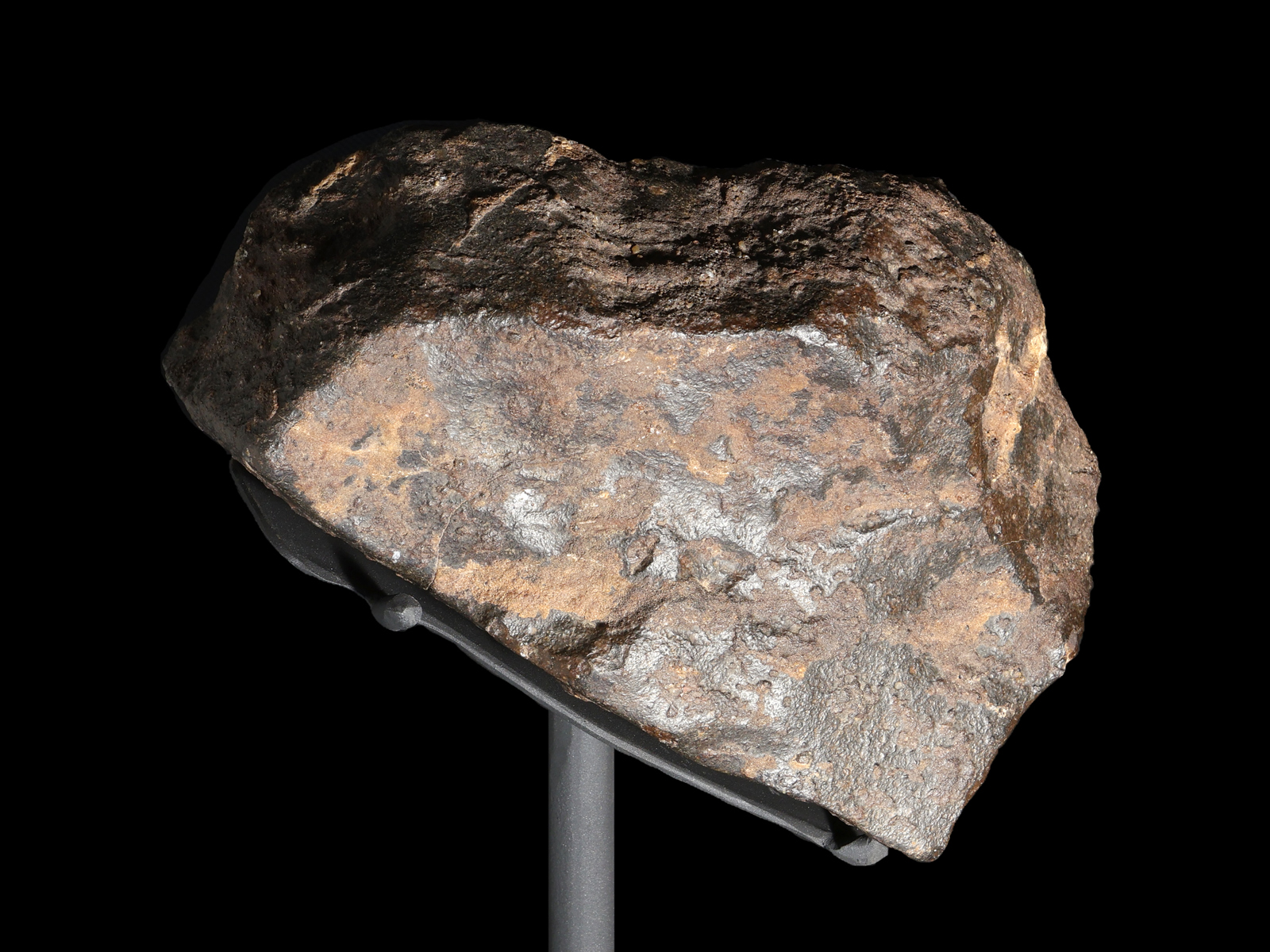
Chondrites formed at the same time and from the same material as the inner planets of our Solar System. They came into being not only through the slow accretion of tiny dust particles, but also through far more dynamic processes.
One of the main and most intriguing components of chondrites are chondrules — small spherical objects that formed through sudden and intense heating at temperatures above 1,400 degrees Celsius, followed by the cooling and solidification of molten droplets in weightlessness, which allowed them to retain their rounded shape.
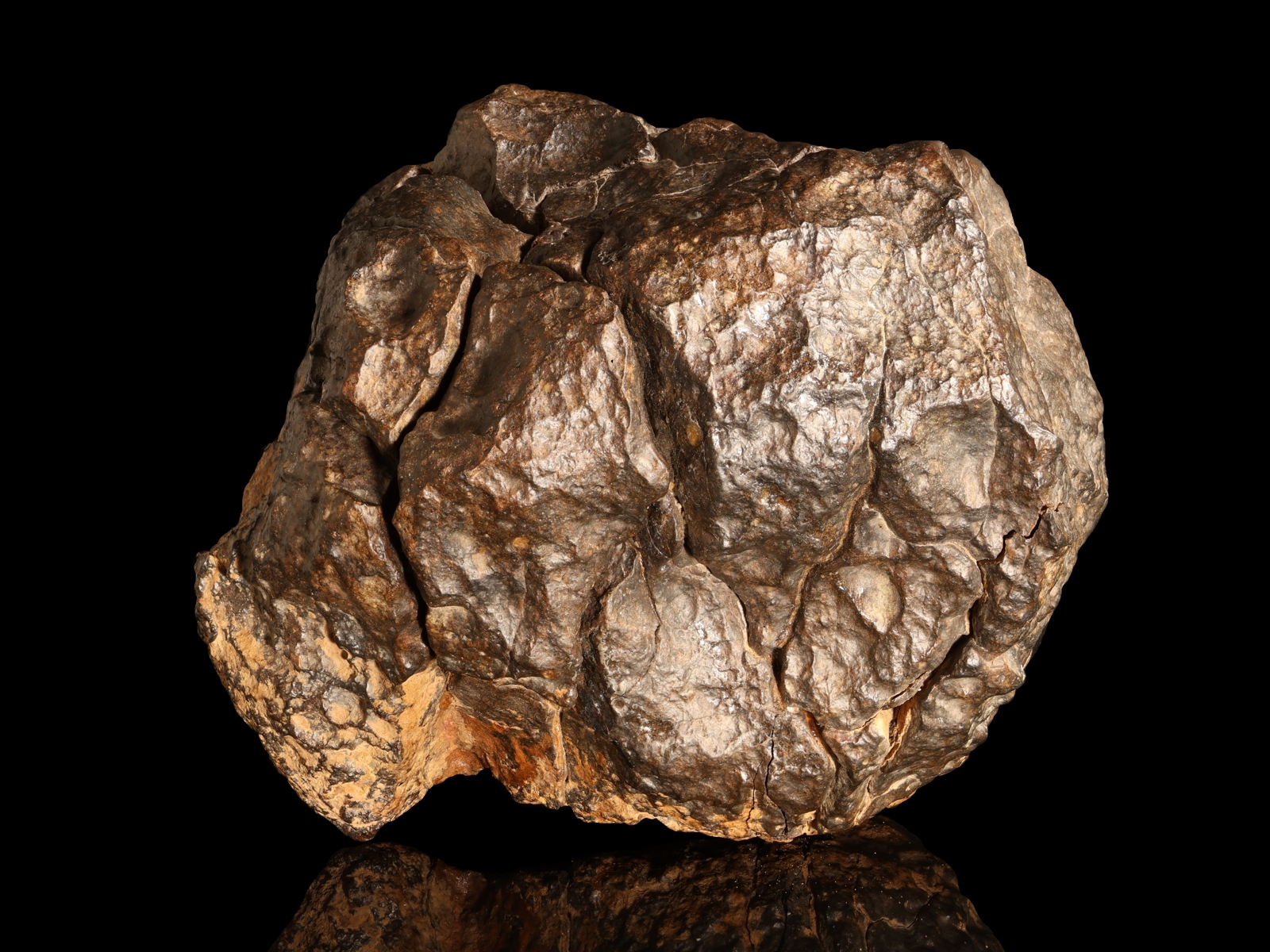
Chondrites also contain shiny metallic flakes of iron and nickel, which make them slightly magnetic. These flakes are evidence that the stone itself was never melted after its formation, making it essentially the oldest thing you can hold in your hand. Other components include clearly visible calcium and aluminum-rich inclusions.
A special category of chondrites is carbonaceous chondrites, which are far rarer and also more valuable because they contain organic compounds that are part of living organisms.
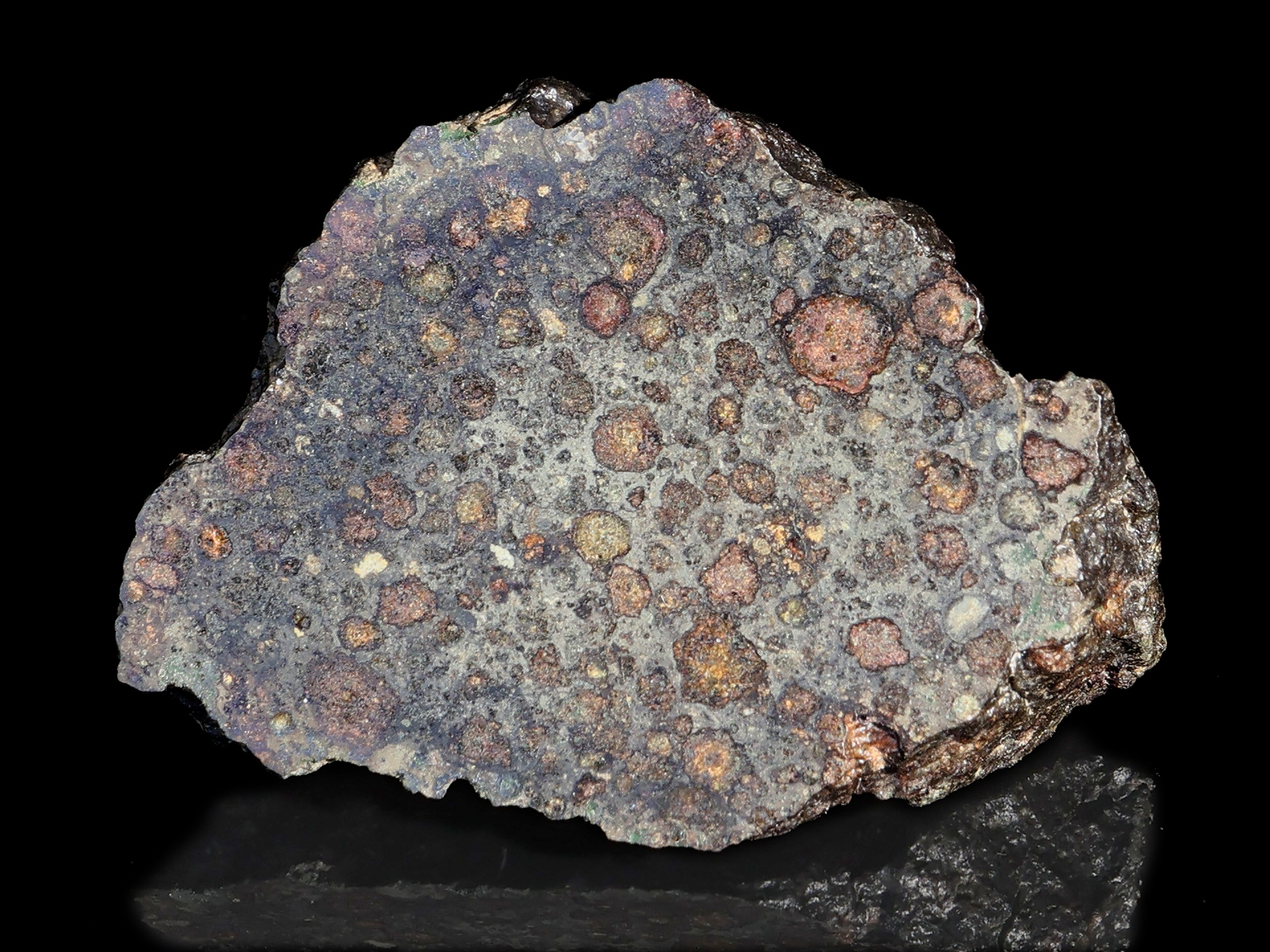
Meteorites containing this organic material undoubtedly fell to Earth long before life developed here. Providing the basic ingredients needed to form living beings therefore appears to have been a logical first and crucial step in the origin of life on Earth as we know it.